







Search Results for: SHB grade
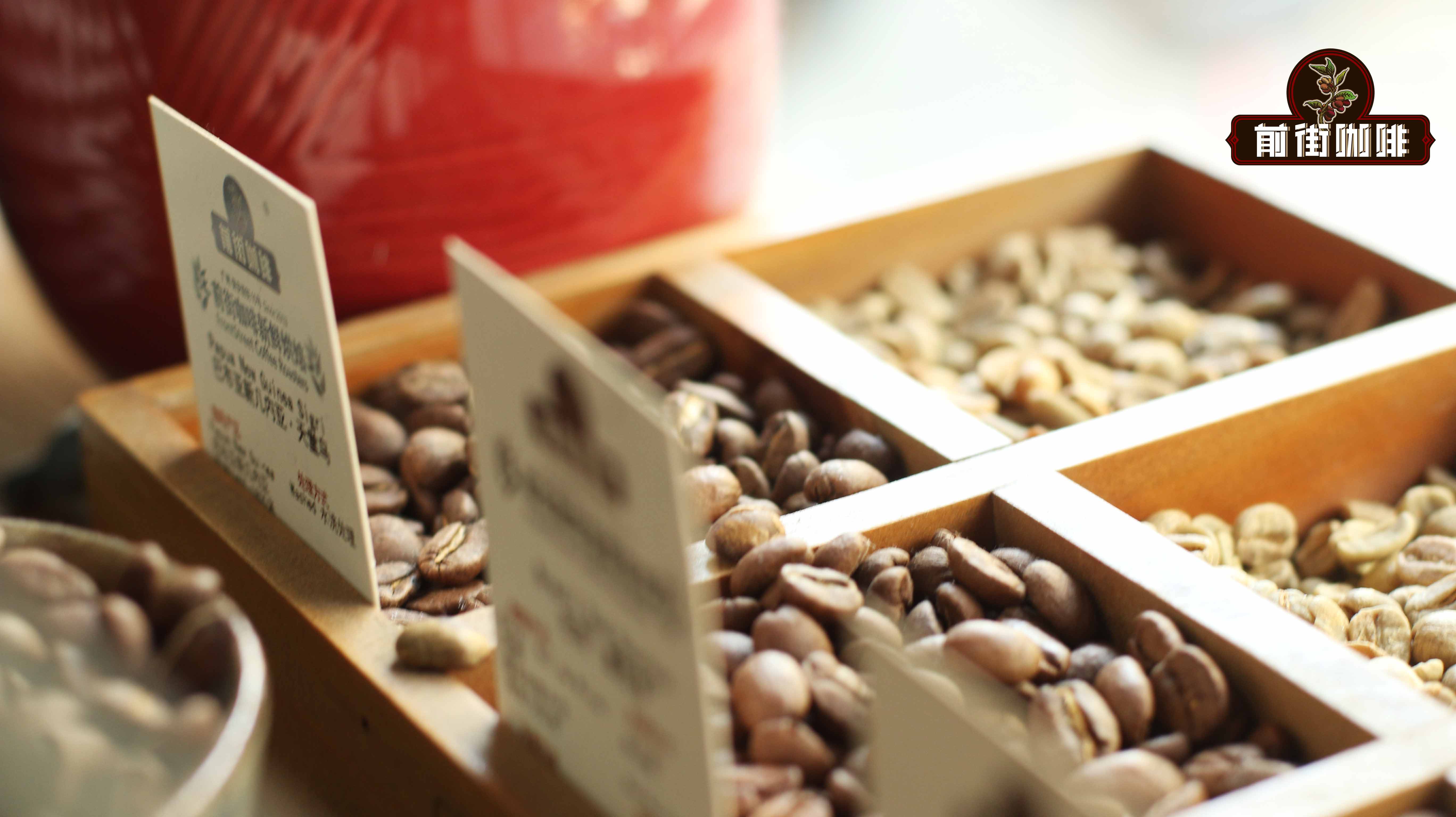
A Complete Guide to Green Coffee Bean Grades: Detailed Explanation of Grading Standards and Differences Across Countries, Including AA, G1, SHB, PB, and More
When buying coffee beans, have you ever been baffled by combinations of letters like AA, G1, SHB, and PB? They may seem to follow no pattern at all, but in fact each one represents the green bean grading standard of a different producing country. Why do coffee beans need to be graded? Why is there no unified global standard? This article will take you through the origins of green coffee bean grading, and how producing regions such as Ethiopia, Kenya, the Central American countries, Jamaica, and Brazil classify their beans based on defect rate, bean size, growing altitude, and cup quality. At the same time, we will also explore what these grades actually mean in the roasted coffee market, and recommend several Front Street Coffee beans corresponding to these grades, to help you better understand the cup of coffee in your hands. [more…]
What Are Extremely Hard Coffee Beans? Understanding Coffee Hardness and Roasting Key Points Through Costa Rica SHB Grade
Costa Rica, with its unique high-altitude volcanic soil and significant day-night temperature difference, nurtures Arabica coffee that is bright in flavor and outstandingly sweet, with the SHB strictly hard bean from the Tarrazú region being the most representative. Starting from Costa Rica's growing conditions, this article will analyze the reasons behind the formation of strictly hard coffee beans, the concept of hardness, and the key points to note during roasting, and combined with the flavor performance of Front Street Coffee's Costa Rican coffee, help coffee enthusiasts gain a more comprehensive understanding of this high-quality coffee grade. [more…]
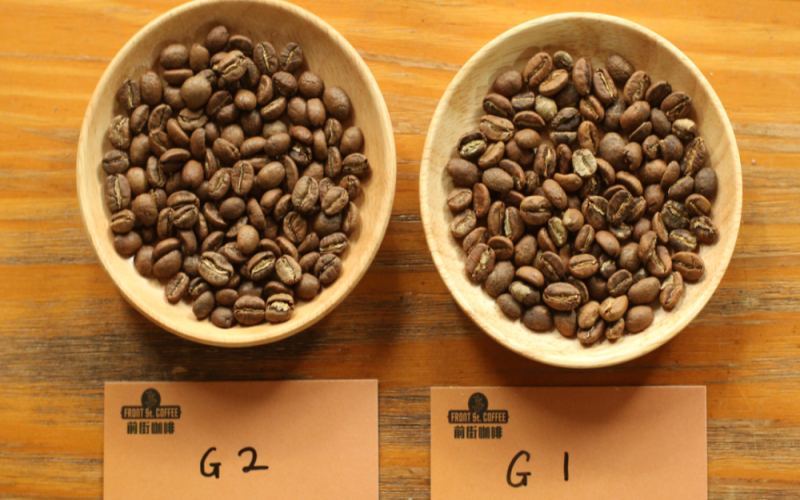
A Detailed Explanation of Green Coffee Bean Grading Standards: What's Behind Ethiopia G1, Kenya AA, Blue Mountain No.1, and SHB Grades?
Coffee enthusiasts often ask in the shop exactly what the difference is between Ethiopia's G1 and G2, what Kenya AA actually means, and what Costa Rica's SHB grade signifies. These combinations of letters and numbers actually reflect how each producing country evaluates the quality of green coffee beans. Due to differences in history, trade, climate, and terrain, different origins have developed their own grading systems, with evaluation criteria covering multiple dimensions such as defect percentage, bean size, growing altitude, green bean density, and processing method. This article will systematically sort out the origins of coffee grading and introduce, one by one, the green bean grade standards of representative producing countries such as Ethiopia, Kenya, Colombia, Jamaica, Costa Rica, Panama, Guatemala, El Salvador, Honduras, and Brazil. [more…]
Panama Coffee Beans Flavor and Origin Geography Explained: SHB Grade Classification Standards
Panama is located on the Central American isthmus, where its unique geographical position and microclimates give rise to high-quality coffee with pure flavors and balanced acidity. This article will introduce Panama's coffee-growing environment, flavor characteristics, and export patterns, with a focus on explaining coffee bean grading standards such as SHB (Strictly Hard Bean), helping coffee enthusiasts understand this country famed for its specialty beans. At the same time, Front Street Coffee will also include related product recommendations in the article for shopping reference. [more…]
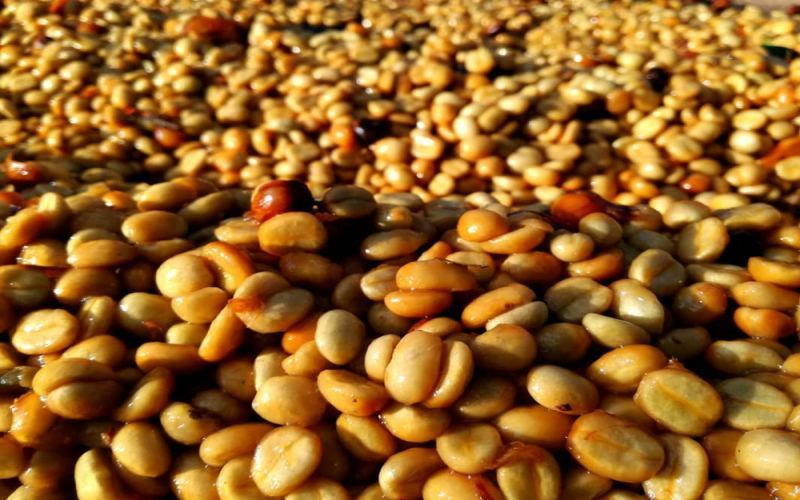
Costa Rican Coffee Bean Flavor and Processing Methods Explained: Tarrazu Region, SHB Grade, and Front Street Tarrazu Recommendation
Costa Rica is an important coffee-producing country in Central America, and its Tarrazu region is known for its light, pure, sweet, and pleasant aroma. The country's coffee is entirely Arabica and washed-processed, with a bright style, mild acidity, and outstanding sweetness, and excellent lots are classified as Strictly Hard Bean SHB. This article will introduce the region's background, varieties and processing methods, and flavor characteristics, and recommend Front Street Tarrazu, a washed coffee from the Tarrazu region roasted to a medium-light level, to help coffee lovers understand its flavor notes of sweet orange, nuts, and light floral aroma. [more…]

A Complete Guide to Coffee Bean Grading Standards: Meanings and Characteristics of Grades Such as G1, AA, AB, and SHB from Various Origins
When purchasing single-origin coffee beans, labels such as G1, AA, and SHB often appear on the packaging. What exactly do these letters and numbers represent? They are actually coffee bean grade symbols established by each origin based on its own conditions. Due to differences in growing environments and varieties, the grading criteria of different countries vary—some look at the number of defective beans, some at green bean size, and others at hardness or altitude. In this article, Front Street Coffee will sort out the grading standards of major producing regions such as Ethiopia, Kenya, Indonesia, Central and South America, and Brazil, helping coffee lovers understand the meaning behind these grades so they can more accurately select high-quality coffee beans that suit their own taste. [more…]
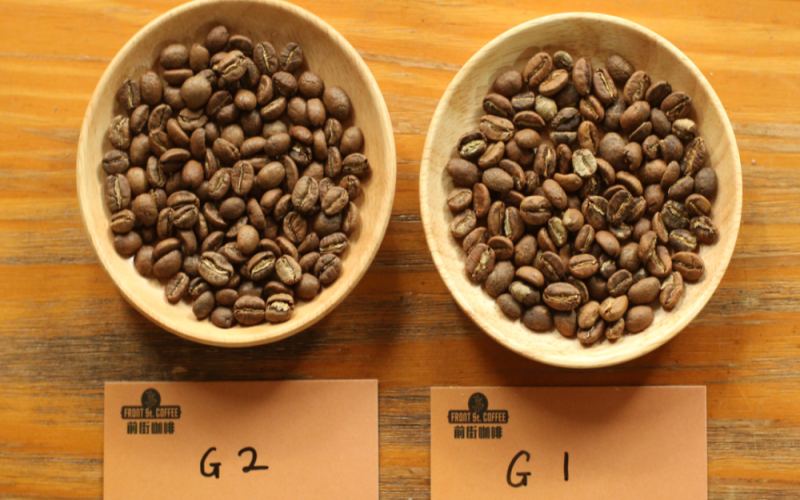
An Introduction to Green Coffee Bean Grades | A Comparison of Coffee Bean Characteristics, Flavor, and Taste Across National Green Coffee Bean Grading Systems: G1, G2, AA, PB, SHB
For more specialty coffee knowledge, please follow our WeChat official account: Front Street Coffee (FrontStreet Coffee). Many friends, while drinking coffee at Front Street, ask our baristas, "What is Yirgacheffe G1 and Yirgacheffe G2?" "What is Kenya AA, AB?" What is Guate... [more…]
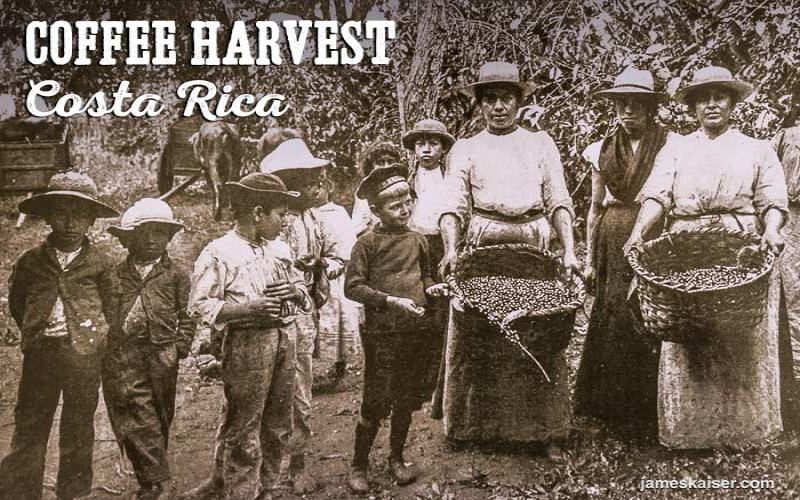
Flavor Profile and Estate Story of Costa Rica Fuego Phoenix Estate SHB Red Honey Process Green Coffee Beans
The Fire Phoenix Estate in Costa Rica's Central Valley is the earliest organic coffee producer in Central and South America to explore honey and natural processing methods. The estate sits on the fertile hills of the Poas Volcano, using a refractometer to precisely determine harvest timing, with coffee cherry sweetness reaching 21–22. This SHB-grade red honey green bean features Caturra and Catuai varieties, 18-screen size, presenting a thick, delicate flavor of dried fruit, vanilla, and honey. The honey process sits between natural and washed, retaining cleanliness while enhancing sweetness and caramel notes. Front Street Coffee's recommended Blackberry and Mozart are prime examples of the charm of Costa Rican honey processing. [more…]
A Detailed Explanation of Costa Rica's Coffee Bean Altitude Classification System and a Recommendation of Mozart Flavor Characteristics
Costa Rican coffee is world-renowned for its balanced, clean, and mild classic style. Its acidity is bright and lively, often with citrus and berry notes, and an elegant coffee floral aroma can still be detected in the aftertaste, giving off an overall serene Latin countryside vibe. Unlike many producing regions, Costa Rica's grading method does not rely on bean size or defect rate, but directly uses the altitude at which the coffee farm is located as the basis for classification, with a total of seven grades. This article will systematically sort out the specific contents of this grading system, introduce the three most common grades in the current specialty coffee market—SHB, HB, and SH—and, combined with the typical flavor performance of the Tarrazú producing region, recommend Front Street Costa Rica Mozart coffee beans, taking you to gain an in-depth understanding of this coffee country that, although small in output, enjoys an outstanding reputation. [more…]
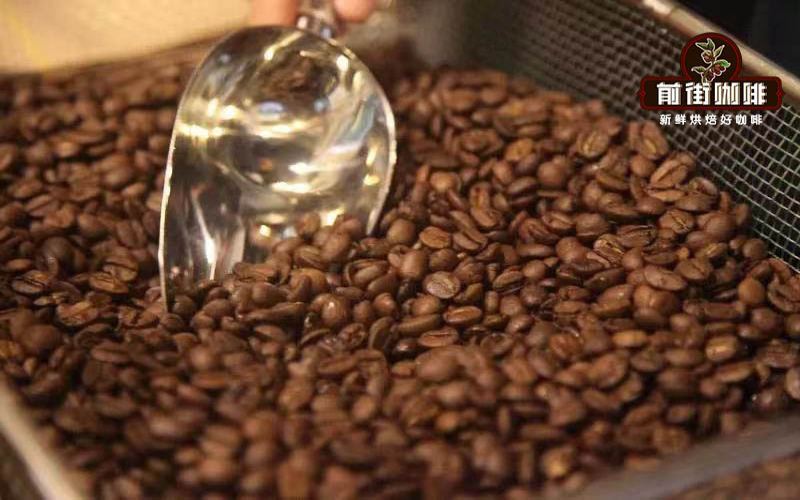
A Detailed Explanation of the Green Coffee Bean Grading System: What Quality Levels Do G1 to G4, AA, PB, and SHB Represent?
The grading systems for coffee beans vary widely depending on the origin—some are based on the number of defects, others on bean size, and still others on altitude. Understanding these grade labels is an important step in selecting high-quality coffee. This article will systematically outline the green bean grading rules of major global producing regions, covering common designations such as Ethiopia's G1-G9, Kenya's AA and PB, Colombia's Supremo, and Hawaii's Extra Fancy, and explain how cupping scores further distinguish specialty grade from commercial grade. Whether you are a beginner enthusiast or a professional seeking to advance, this grading guide can help you judge coffee quality more clearly. For more professional content, follow Coffee Workshop; for specialty coffee beans, add Front Street Coffee on WeChat at qjcoffeex. [more…]
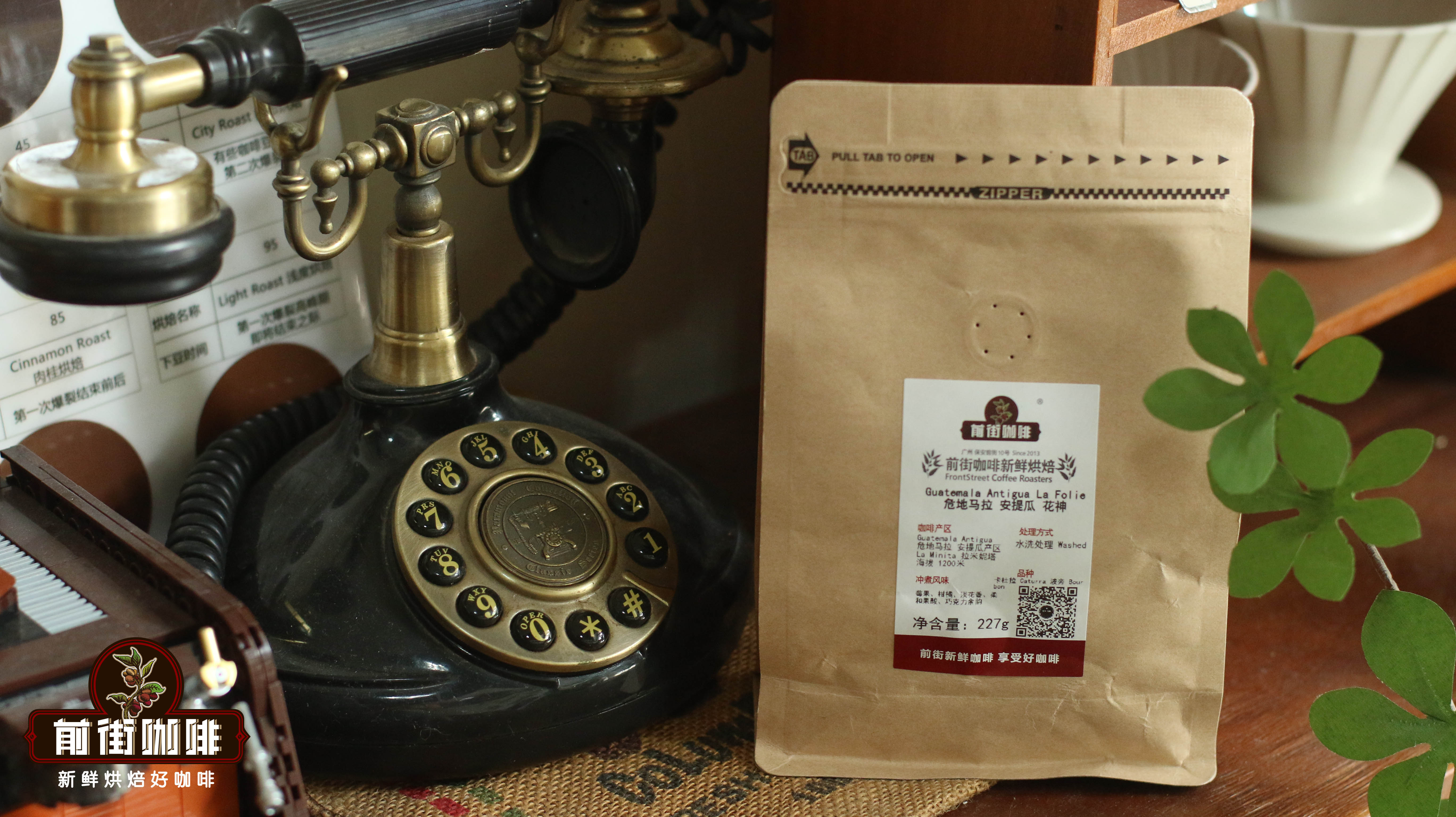
A Complete Guide to Guatemalan Coffee: SHB Grade Characteristics and Flavor Stories from Eight Major Regions
Although Guatemala is not mentioned as frequently as Brazil or Colombia, it has earned its place in the specialty coffee landscape with its rich, smooth body and distinctive charcoal-roasted aroma. This article focuses on the SHB grading characteristics of Guatemalan coffee, reviews the country's geography, climate, and cultivation history, and introduces one by one the eight major producing regions defined by the Guatemalan Coffee Association, including Antigua, Huehuetenango, Cobán Rainforest, Atitlán, and others. At the same time, using the three producing regions of Antigua, Huehuetenango, and New Oriente as representatives, it presents in detail the origin information, estate management methods, and brewing parameters of Front Street Coffee's Flor de Dios and Huehuetenango everyday beans, helping coffee enthusiasts gain a comprehensive understanding of the terroir charm of this Central American producing country. [more…]
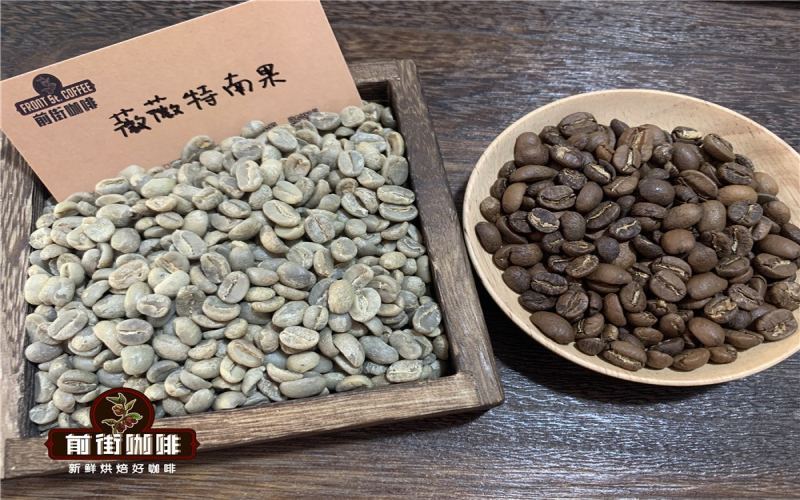
Comprehensive Comparison of Guatemalan Coffee and Indonesian Mandheling: The Meaning of SHB Grade and Analysis of Flavor Differences
Guatemalan coffee and Indonesian Mandheling coffee are two distinctly different presences in the specialty coffee world. The former is known for its bright fruity acidity, smoky finish, and elegant, balanced mouthfeel, while the latter wins over the palate with its rich, full body, low acidity, and high sweetness. This article will systematically compare the two in terms of origin environment, variety structure, processing methods, grade classification, and brewing parameters, while also answering the question of whether Guatemalan SHB is the highest grade. The article also includes Front Street Coffee's roasting approach and brewing suggestions for these two beans, helping coffee enthusiasts gain a more comprehensive understanding of their flavor characteristics. [more…]
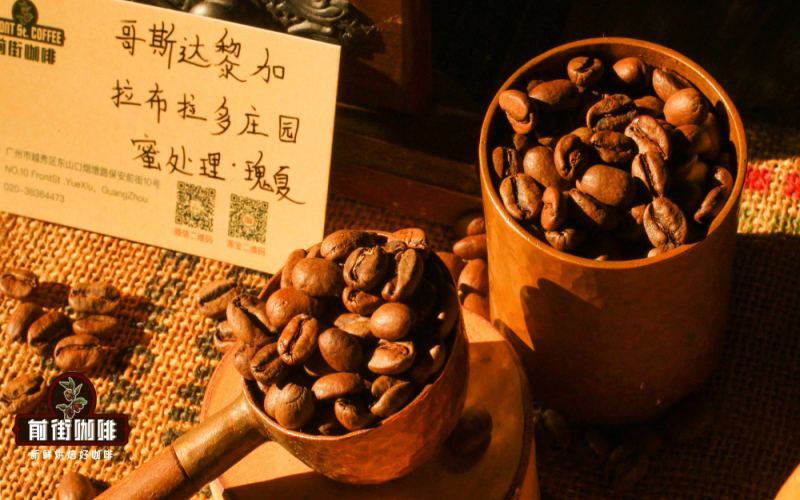
Costa Rica Coffee Brewing Guide: Honey Process Flavor Analysis and Finca El Roca Blueberry Bean Review
Costa Rican coffee occupies an important position in the Central American specialty coffee landscape thanks to its high-altitude volcanic soil and innovative processing methods. Starting from Front Street Coffee's everyday bean—the washed Tarrazú—this article sorts out Costa Rica's eight major producing regions and green bean grading standards, and focuses on analyzing how honey processing gives coffee greater sweetness. It also presents the complete profile of the recently launched Blueberry coffee beans from Hacienda El Roble, along with a three-pour hand-brewing recipe tailored to high-altitude SHB strictly hard beans, including specific parameters such as V60 dripper, water temperature, coffee-to-water ratio, and grind size, helping coffee enthusiasts recreate a rich fruity layering at home. [more…]
An In-Depth Analysis of Costa Rican Tarrazú Los Santos Black Honey Process SHB Specialty Coffee
Specialty coffee refers to coffee made from raw beans with outstanding flavor grown in a few ideal geographical environments, strictly selected and graded, hard in texture and rich in taste. This article focuses on the Costa Rica Tarrazu Black Honey Process Strictly Hard Bean recommended by Front Street Coffee, and provides an in-depth introduction to the terroir conditions of the Los Santos producing region, planting and harvesting details, as well as the differences between black honey, red honey, and yellow honey in honey processing. Thanks to the basin topography, warm humid air currents, and fertile volcanic ash soil, this producing region nurtures coffee that combines high body, clean high acidity, and rich aroma, with flavors presenting a tropical fruit bomb of cantaloupe, durian, cranberry, and grape juice along with rich jujube tea notes. [more…]
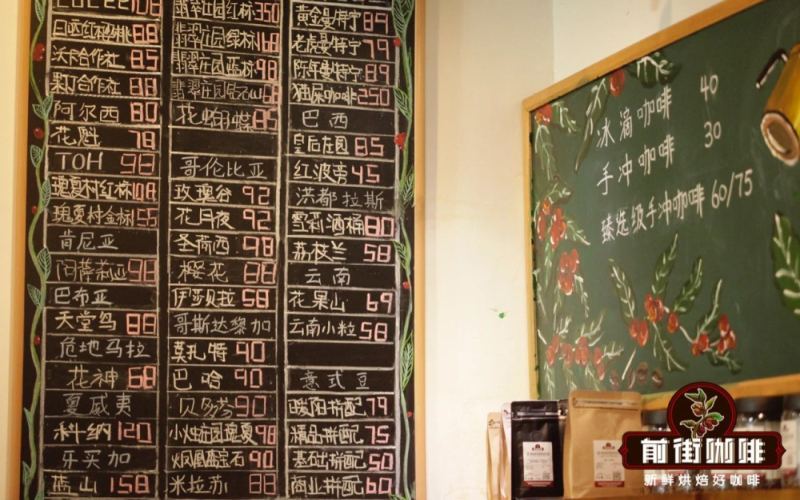
A Complete Guide to Coffee Bean Naming: From Origins and Competition Titles to Processing Methods and Grading Standards
Faced with the dense bean list at Front Street Coffee, many coffee lovers wonder: why can coffee bean names be so long? In fact, behind every string of names lie clues about origin, variety, processing method, or brand positioning. This article systematically sorts out the common logic behind coffee bean naming, including naming by production region or producer, naming by raw bean competition award titles, naming by estate-exclusive products, and the origin of the special name Mandheling. Finally, it also explains the meanings of grading labels such as G1, AA, and SHB, helping you more easily understand the information on coffee bean packaging. [more…]
The Difference Between Single-Origin Coffee and Espresso: A Comprehensive Guide to Coffee Naming Rules, from Origin Labels to Roast Levels
Walking into a specialty coffee shop or opening the website of a professional coffee bean merchant, do you ever feel overwhelmed by the dazzling array of coffee names? Why are coffee bean names so long? How exactly do you tell the difference between single-origin, dark roast, and espresso? What information is actually hidden behind these complex names? This article will walk you through the key elements of coffee bean naming one by one, including origin labeling, roast level, grading systems, and small-lot estate farms. From the solo performance of single-origin coffee to the concerto of coffee blends, from Northern Italian light roast to French dark roast, and on to grading codes like SHB and AA+, you'll never be confused again the next time you shop for coffee—you'll easily read the ID card of every bag of coffee beans. [more…]
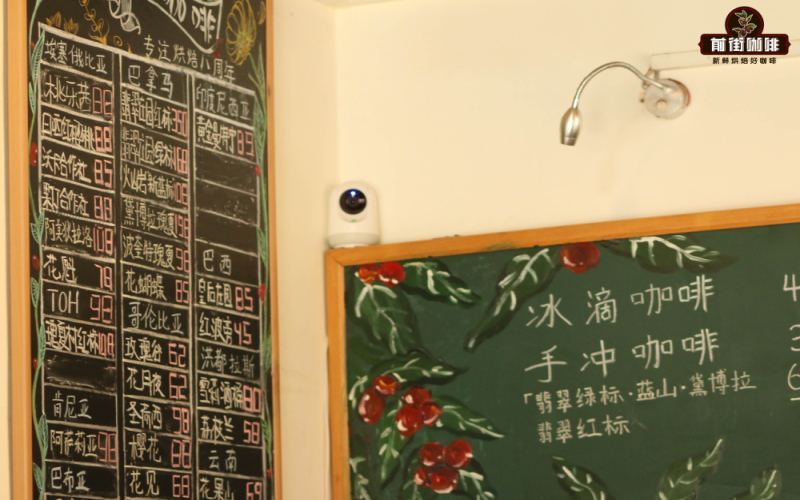
Costa Rica Tarrazu SHB Coffee Flavor Analysis: Origin, Planting Characteristics, and Pour-Over Brewing Key Points
Costa Rica is an important origin for specialty coffee, and its Tarrazú region is known for high altitude, washed processing, and SHB grade. From the perspective of Front Street Coffee, this article systematically reviews Costa Rica's eight major producing regions, the growing environment and variety characteristics of Tarrazú, and compares the flavor differences between washed and anaerobic heavy honey processing. At the same time, Front Street shares standard pour-over parameters and brewing techniques to help you more clearly understand the classic flavor of Tarrazú everyday beans—clean, fresh, and with soft acidity—as well as the unique blueberry gummy and berry notes of Finca El Gigante. [more…]
Analysis of Costa Rica Tarrazú SHB Coffee Beans: Pour-Over Parameters, Regional Characteristics, and Comparison of Honey Processing Methods
Costa Rican coffee is known for its pure sweetness and clear flavors, and Front Street Coffee has long followed the varieties and processing methods of this producing region. This article focuses on Costa Rica's eight major producing regions, the growing environment and grade characteristics of Tarrazú SHB washed beans, sorts out their pour-over brewing parameters, and, through a comparison with the blueberry anaerobic heavy honey processed beans from Hacienda El Roble, explains the differences in flavor expression between washed and honey processing. The article also details the processing flows of white honey, yellow honey, red honey, black honey, and anaerobic techniques, helping coffee enthusiasts more systematically understand the classic style and innovative directions of Costa Rican coffee. [more…]
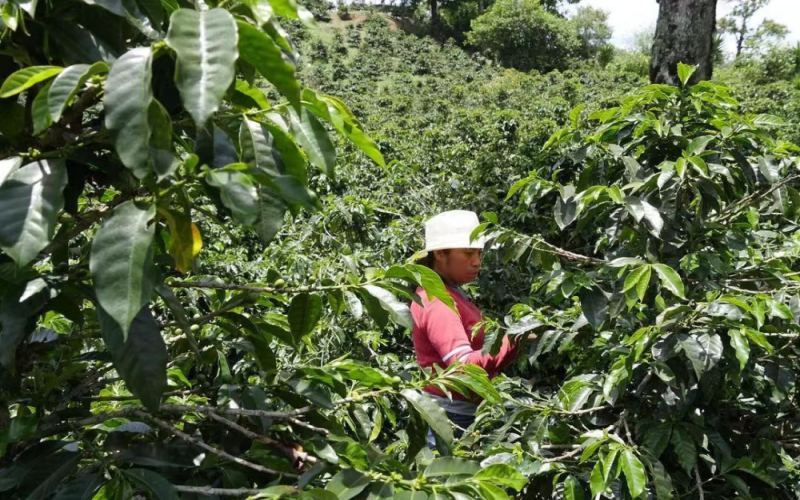
Honduras Cigua SHB Specialty Coffee Beans Flavor Profile and Origin Story: Medium-Dark Roast French Press Brewing Guide
Honduras is located in Central and North America, with a mountainous terrain, and its coffee-growing conditions are no less favorable than those of Guatemala and Nicaragua. Today, it is one of the world's top ten coffee-exporting countries. This article provides a systematic introduction to Honduran coffee as a whole, covering the producing environment, the distribution of six major producing regions, and the washed processing flow, and focuses on sharing the estate background, grade information, and cupping performance of Front Street Honduras Xigua RFA EP coffee beans. At the same time, Front Street Coffee brings the French press brewing parameters and operating suggestions for this bean, helping coffee lovers easily recreate at home a balanced flavor profile with chocolate notes and a lasting caramel sweetness. [more…]
Costa Rican Coffee Bean Flavor Analysis: Honey-Processed Strictly Hard Bean Pour-Over Techniques and巨石 Estate Blueberry
Costa Rican coffee is famous for its honey processing and extremely hard beans, and Front Street Coffee brings you a selection of representative beans. This article approaches the topic through the three major processing methods—washed, natural, and honey—analyzing the basic structure and flavor formation of Costa Rican coffee, with a focus on Tarrazu washed beans and the Blueberry Anaerobic Heavy Honey processed beans from Hacienda El Monstruo. It also explains in detail Costa Rica's raw bean grading standards by altitude, as well as hand-brewing parameter recommendations for high-altitude SHB extremely hard beans, including the V60 dripper, water temperature, coffee-to-water ratio, and three-stage extraction technique, helping coffee lovers brew a rich fruity layering. [more…]